
Ayurvedic Lifestyle - Ancient Wisdom for Modern Living
We often define ourselves by our imbalances — PMS, stress, digestive issues, skin concerns — but who are you beyond that?
In a world where life often feels like a balancing act between work, wellness, and rest, Ayurveda offers a way to return to our natural rhythm. Rooted in ancient Indian tradition, this holistic system of healing teaches us that true health is not just the absence of disease — it’s harmony between body, mind, and spirit.

What Is Ayurveda?
The word Ayurveda comes from Sanskrit: Ayur means "life" and Veda means "knowledge" or "science" — together, “the science of life.”
Developed over 5,000 years ago, Ayurveda views every person as a unique combination of physical, mental, and emotional characteristics known as doshas: Vata (air and space), Pitta (fire and water), and Kapha (earth and water).
Rather than offering one-size-fits-all advice, Ayurveda encourages each individual to live in alignment with their own constitution, the natural cycles of the day and seasons, and the world around them.
The Ayurvedic Approach to Health
At its core, Ayurveda is about balance — balancing digestion, emotions, sleep, and lifestyle habits. It teaches us to observe our body’s signals and respond with mindfulness and compassion.
Some of the foundational Ayurvedic principles include:
Agni (digestive fire): The strength of our digestion determines our vitality. When Agni burns brightly, we absorb nutrients and eliminate waste efficiently.
Dinacharya (daily routine): Small rituals practiced daily — from tongue scraping to oil massage — support long-term wellness.
Ritucharya (seasonal living): Adjusting our diet and habits according to the season keeps us in harmony with nature.
Mind-body connection: Emotions, thoughts, and physical health are deeply intertwined.
Bringing Ayurveda Into Everyday Life
Integrating Ayurveda doesn’t require a complete lifestyle overhaul. It’s about mindful adjustments that restore your natural balance. Here are some simple ways to begin:
1. Start Your Morning with Intention
Begin your day with warm water and lemon, gentle stretching, and a few moments of silence. Ayurveda teaches that mornings are ideal for grounding the mind before the world awakens.
2. Eat With Awareness
Instead of counting calories, focus on how and when you eat. Choose freshly prepared, warm meals. Eat in a calm environment without distractions — this supports healthy digestion and mental clarity.
3. Honor the Seasons
In cooler months, choose warming foods and spices like ginger, cinnamon, and turmeric. In summer, favor cooling foods like cucumber, mint, and coconut.
4. Create a Soothing Evening Routine
Wind down by dimming lights, avoiding screens, and practicing abhyanga (a self-massage with warm oil). This calms the nervous system and promotes restful sleep.
5. Listen to Your Body
Ayurveda is not about strict rules — it’s about awareness. Notice how food, activities, and emotions make you feel, and adjust gently.
Cooking with Intention — A Conversation with Ayurvedic expert and Private Chef Lisa ÅKESSON
Can you tell us about your journey into Ayurveda and yoga?
What was the moment or experience that drew you toward this path?
Lisa: I was living in London quite unhappy and challenged. I didn’t feel at home in my body and struggled with an eating disorder as well as acne. I had been interested in health for many years, was working out and thought I did everything right. Yet I didn’t feel better and the diets and trends I was trying only kept me digging deeper trapped in old habits. Yoga was my anchor in the busy life I was leading. After practicing rigorously for a few years I decided to take my teacher training that was with a woman in Hawaii. She happened to work with Ayurveda too, and in my first consultation so much fell into place. With the right simple tools I was able to take the first steps towards a life of more balance that I love today. It felt like I knew the principles already and that someone was just reminding me. Since getting certified in Yoga, Ayurvedic health counseling, Ayurvedic chefing and coaching, I’ve worked with thousands of clients all of the world in retreats, cooking classes, Yoga sessions, sound healing and breath classes.
You’ve trained extensively in different parts of the world — from Sweden to Hawaii.
How have your travels shaped your understanding of Ayurveda?
Lisa: It has made me able to adapt it to each culture, religion and person that I have in front of me. It comes from India, but the principles are universal. When we understand the qualities of different foods, herbs and habits, we can adjust them to the climate and situation we are in to bring the body into a state of self healing. Ayurveda is more about stopping doing what cause imbalance, than to do more. When we get out of the way and work individually, the body naturally wants to find balance.

LISA ÅKESSON
Lisa is a holistic health coach, Ayurvedic chef, musician and yoga teacher.
Over the past decade, she has held space and cooked at more than 30 retreats and workshops across the UK, German-speaking countries, India, and Sweden – with a passion for women’s health and intuitive embodiment.
In your opinion, what’s the most misunderstood aspect of Ayurveda in Western cultures?
Lisa: That it only refers to food or only to massages. It is so much more! I think this happens because we try to simplify something that is quite complex. It is challenging to teach Ayurveda in a way where it doesn’t just become about a whole lot of rules, but where it actually makes sense practically in your life. To do this you need to have lived it and made examples that you can relate to. You don’t have to choose many practices, if you choose the right ones for you. Then it becomes really powerful and practical.
How do yoga and Ayurveda complement each other in your personal practice and teachings?
Lisa: Yoga is originally focused on the spirit and Ayurveda on the body and the mind. In the west we often forget about the spiritual part of Yoga and focus mainly on the physical aspects. Together Yoga and Ayurveda create a powerful web of tools that help us find alignment and a strong mind and body at peace. Practically this means that foods I eat for my bodytype and in season that balance me, also support my body to stay supple and my Yoga practice to deepen. Ghee, (clarified butter used in Ayurveda) balance both my mind and body through lubricating my joints and nourishing the mental channels. Abhyanga, which is self oil massage, calm my mind, ground the body and make it easier to meditate and focus, to mention a few examples.
For someone new to Ayurveda, what’s one simple daily ritual you would recommend starting with?
Lisa: Scraping your tongue first thing in the morning. You scrape from back to front 7 times and thereafter rinse off the scraper. Get a copper or stainless steel scraper. Until you have one you can use a tablespoon that you face down and use in the same way. This supports the body in getting rid of accumulated toxins on the tongue, that are expelled during the night. When you remove them you avoid swallowing them down again and help the body stay healthy.
How do you personally balance Ayurvedic principles with the demands of a busy modern lifestyle?
Lisa: I have a few that I do daily no matter what, and some practices that I do when I need extra support or when there’s more time. Choosing is also a matter of priority. I don’t use my phone first thing in the morning and never sleep with it in my bedroom. Having home cooked meals is important for me so then I simply prioritize that. I notice that I don’t sleep well when I use my computer late, so that motivates me to get work done during the day. Pick your main priorities and practices, then stick with them. If they are important enough you will find time and space to practice them. If you don’t, look again and make sure you really are behind your decisions.
You’re certified as an Ayurvedic chef — how does food play a role in creating balance according to Ayurveda?
Lisa: Food is a huge part of Ayurveda. You may have heard about how you can eat for your body type? Even more important is how you can eat with the season you are in. What we need for the time of the year grows exactly in that season and will bring the body balance. Root vegetables, sweeter and denser fruits and vegetables grow in winter when we need extra strength. Bitter salads and herbs, cooling fruits and vegetables, grow in summer to create more lightness and cool us off. In this way we can eat for what the body needs, when we pay attention to our surroundings. Different spices are also used to balance the body. By learning how your body signals for its needs, you can provide the nourishment it needs, rather than the intensity that the mind so often craves. For example, if you crave chocolate, maybe what you really need is magnesium, iron and good fats. Instead of milk chocolate can a soupy sweet stew that ground you hit the spot, or raw cacao of course.
If someone could only make one change to their eating habits based on Ayurvedic principles, what would you suggest?
Lisa: Sit down and eat slowly. Chew your food until it’s liquid about 20 times for each bite. It sounds simple but makes a huge difference.
You’ve led retreats and workshops all over the world — what are the key transformations you see happen in retreat settings?
Lisa: Participants leave calmer, kinder to themselves and more at peace. Life catches up with them at retreats and that it sometimes hard. But to have a safe space where they are allowed to feel what they need to feel, learn to trust their own capacity again, and come back to themselves, is one of the most beautiful things one can provide. At women’s retreats especially I see a lot of healing around hormonal health. I have had women who start to bleed after not having their period for several years, or becoming pregnant after miscarriages and infertility. I can not explain it and it is likely a combination of many factors, but to be together like this at retreat is very special.
Ayurveda places great emphasis on self-observation.
How can someone begin to listen to their body more deeply, especially if they’ve never practiced this before?
Lisa: Great question, this can be hard if you don’t know where to begin. Something simple that we often forget about is to listen to hunger, thirst and other signals during the day. How often have you sat through a meeting without going to the bathroom when you really needed to? Simple things like this can make a big difference and be a good starting point. By listening and responding you show your body that you care for it. It can then learn that you will provide when it asks for needs to be fulfilled. Yawn when you need to, allow tears to come when you need to have a good cry, go to bed when you’re tired. That’s where you start.
What role do mindfulness practices like meditation and pranayama play in balancing our doshas?
Lisa: A big role. They are great reminders to pause to build into your day. When we stop to breathe or sit down in silence regularly, we have a chance to check in and ask ourselves, how do I actually feel? Am I overwhelmed, cold, dried up and are my thoughts spiraling? This can be a sign of Vata imbalance. Too warm, irritated, is my skin red? This can be a pitta imbalance. Do I feel heavy, tired, sluggish, and do I hold on to water? This can be a kapha imbalance. There are also specific pranayama practices that calm all doshas and bring them into balance quickly and gently.
What is something you wish more people understood about health and wellbeing?
Lisa: That it more often is about doing less than more. It is so easy to get caught up in optimizing, using supplements and looking for solutions outside of yourself in trends. You already know what you need, if you simply stop to listen. As mentioned earlier, more often it would do us good to pause and remove practices and tools to see if they really serve us. Most Ayurveda doctors work like this when they asses during a Panchakarma, an Ayurvedic detox that you do over 2-3 weeks. First they remove all medication, supplements, even practices even simpler ones like tongue scraping and Jala Neti, (a yogic practice rinsing the nose) to see how you actually feel beneath it all. Then you purify the body. Finally you build the body back up and decide what practices to keep. This can be helpful in our every day life too. What could you remove to learn more about what you need?
How do you stay grounded and balanced in your own life when things feel hectic or stressful?
Lisa: I meditate 5-6 days a week for 40 minutes and this keeps me grounded even on days when I don’t have time for it. I also make sure to rest and recover well after stressful periods by winding down early in the evening and putting away screens. Stress in itself isn’t bad for us, but not being able to wind down and recover from it is.
What’s next on your path — what are you most excited to explore or share with your community?
Lisa: I am co-writing a book on Ayurveda that will be released this year. It will be a practical handbook for all of you asking, where do I begin with Ayurveda? How can I get the benefits in my busy life? And what simple tools can I integrate that truly will make a difference in my life? I can not wait to share it with you!
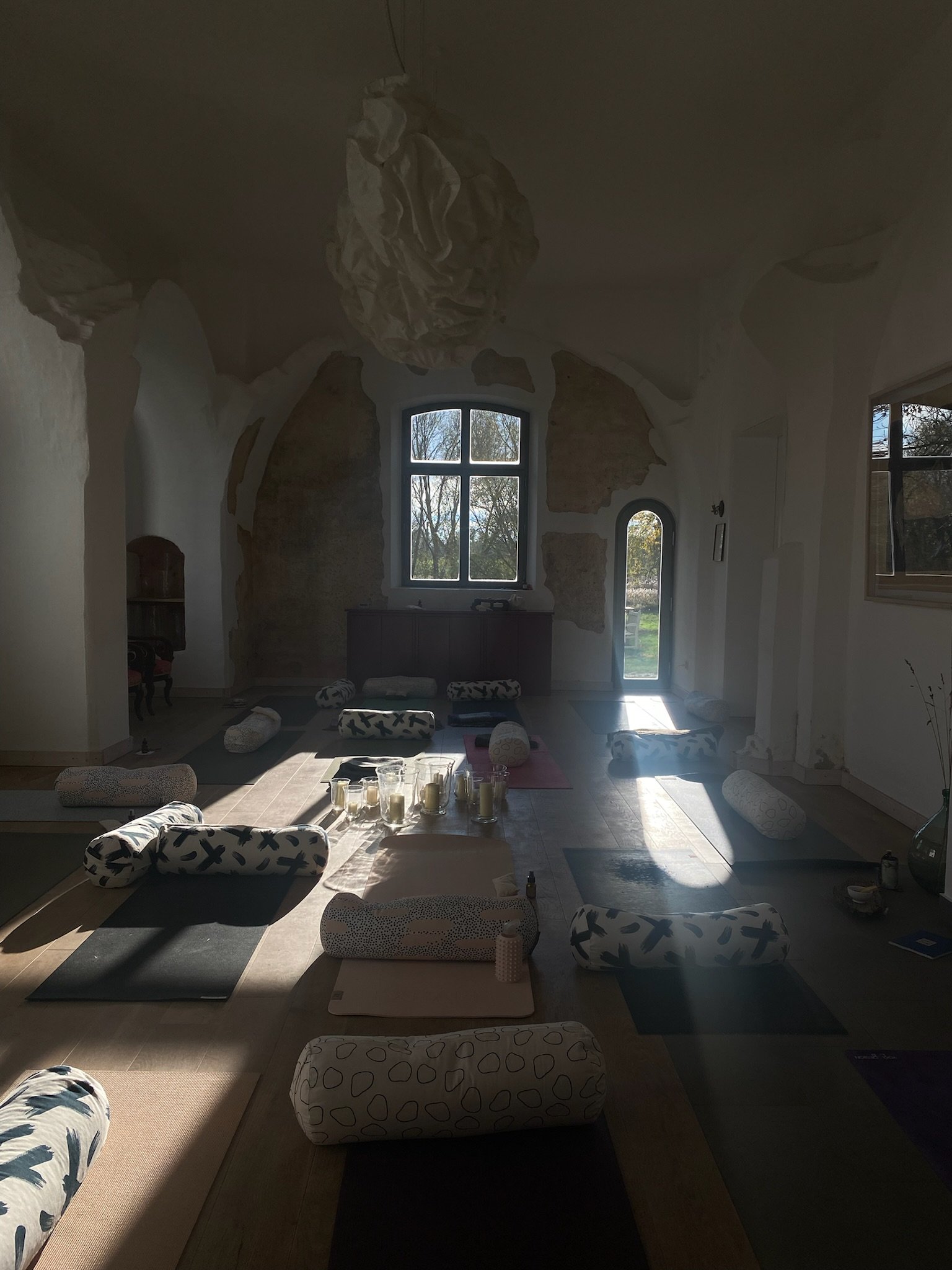

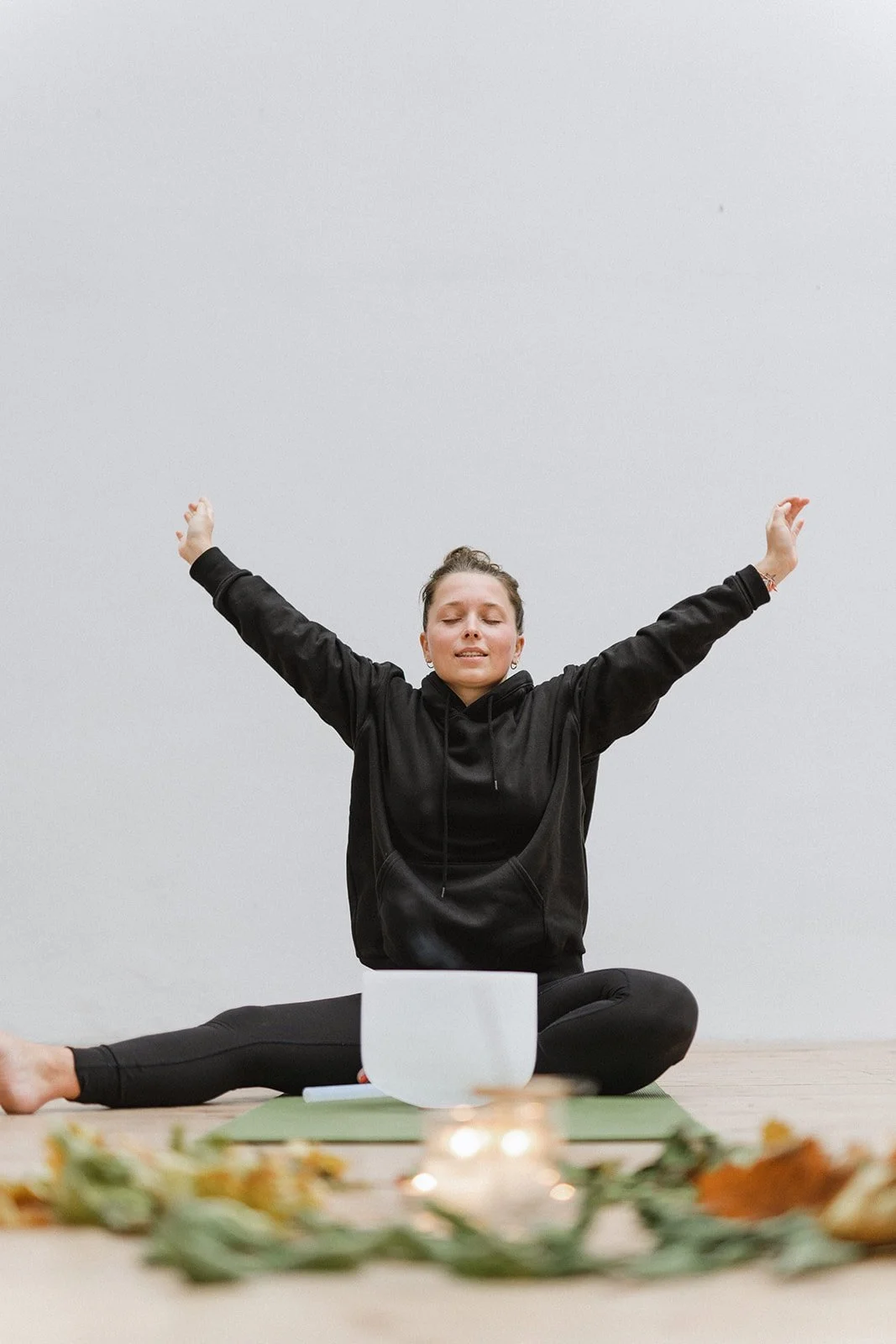



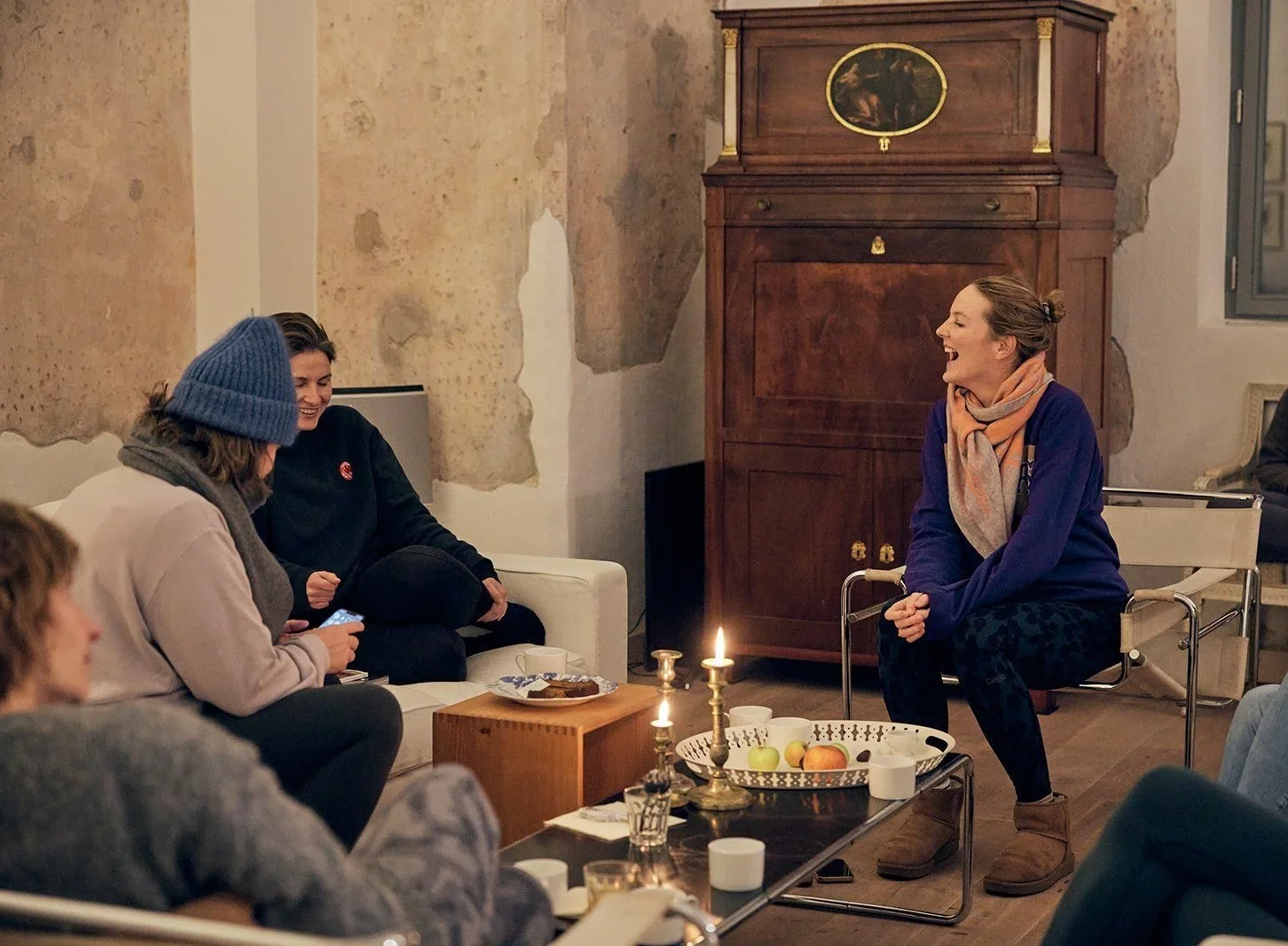

Photos: Lisa Akesson, kindclub